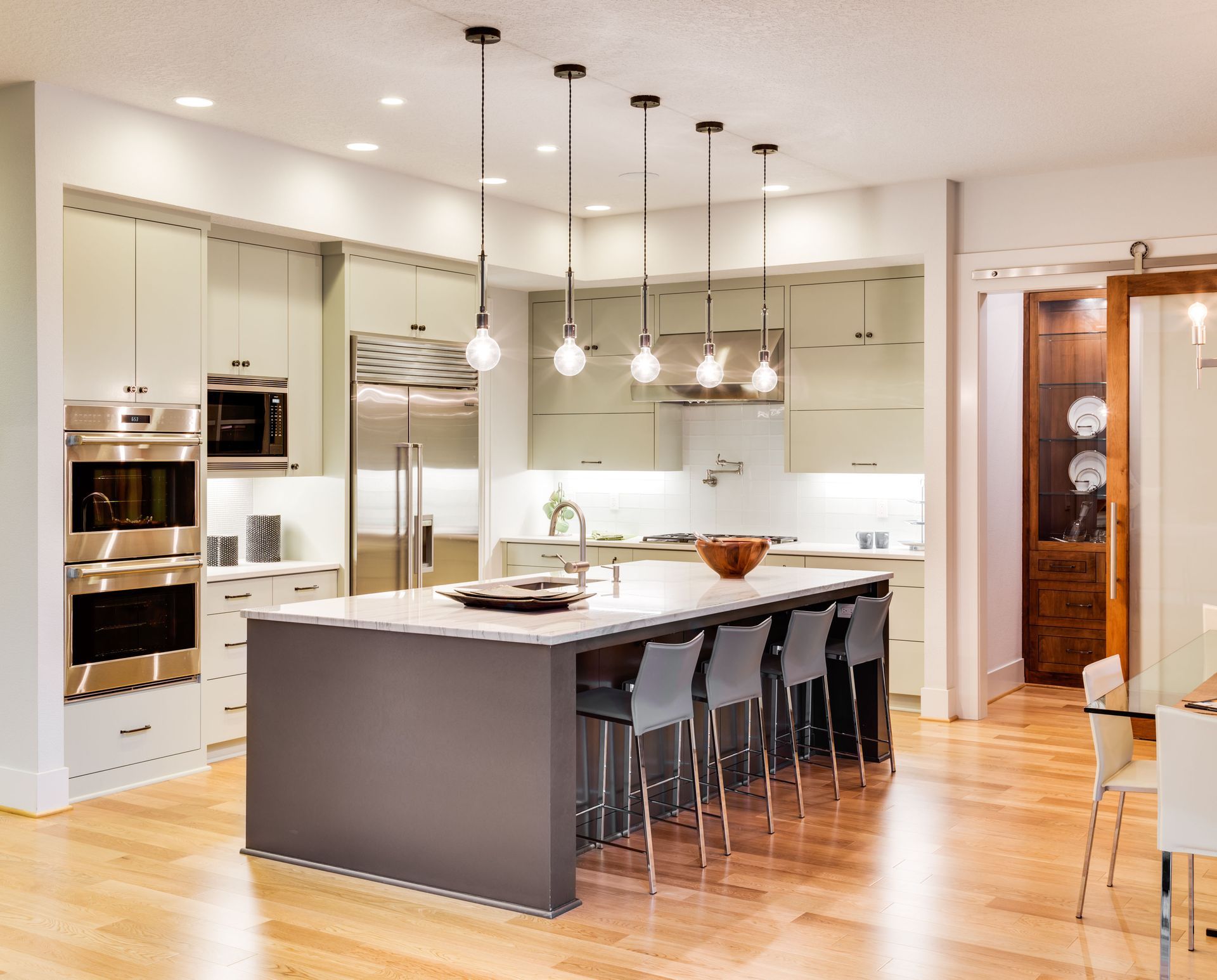
Common Mistakes to Avoid During Kitchen Remodeling
Kitchen remodeling is one of the most impactful ways to improve both the functionality and value of a home. However, without careful planning and professional execution, it can quickly become a source of stress, unexpected costs, and long-term regret. Many homeowners enter kitchen remodeling projects with high expectations but overlook critical details that professionals know are essential.
Understanding the most common mistakes in kitchen remodeling can help ensure the process runs smoothly and delivers lasting results. According to This Old House, a minor kitchen remodeling project recoups 96.1% of its cost in home value increase, making it clear that when done correctly, the investment pays off significantly. Avoiding the following pitfalls is key to achieving a successful outcome that enhances both usability and property value.
Recognizing the Risks of Insufficient Planning
A lack of thorough preparation is one of the most common and costly mistakes in kitchen remodeling. Without a clearly defined budget, timeline, and scope, projects can quickly spiral out of control. Financial overruns, delays, and design compromises often stem from poor initial planning.
Professional contractors emphasize the importance of outlining every aspect of the project before work begins. This includes material selections, layout decisions, and contingency funds for unexpected issues. Kitchen remodeling requires coordination across multiple trades, and insufficient planning can disrupt this balance. A structured approach ensures that each phase progresses efficiently while staying aligned with the overall vision.
Evaluating Workflow and Layout Inefficiencies
An impractical layout can significantly reduce the usability of a newly remodeled kitchen. Even visually appealing designs can fall short if they fail to support efficient movement and workflow. The positioning of major elements such as the sink, stove, and refrigerator plays a crucial role in daily functionality.
Poor layout decisions often lead to congestion, wasted steps, and frustration during routine tasks. In professional kitchen remodeling, the focus is placed on optimizing flow and accessibility. Thoughtful design ensures that work zones are logically arranged, allowing for seamless movement and improved efficiency. Ignoring this aspect can result in a kitchen that looks modern but performs poorly.
Addressing the Consequences of Ignoring Permits
Overlooking permit requirements is a serious mistake that can lead to legal and financial complications. Kitchen remodeling projects frequently involve electrical, plumbing, and structural changes that must comply with local building codes.
Failing to secure proper permits can result in fines, project delays, or even the need to undo completed work. Additionally, renovations that are not permitted can create challenges when selling a home, as buyers and inspectors often require documentation of compliance. Professional contractors understand these requirements and ensure that all necessary approvals are obtained, protecting both the homeowner and the investment.
Avoiding the Pitfalls of Low-Quality Materials
Choosing materials based solely on cost rather than quality can undermine the entire kitchen remodeling project. While budget considerations are important, sacrificing durability often leads to higher expenses in the long run.
Inferior materials are more prone to wear, damage, and frequent replacement. In a high-use space like the kitchen, this can quickly become a recurring issue. Professional kitchen remodeling prioritizes materials that balance aesthetics with longevity. Investing in quality ensures that surfaces, fixtures, and finishes maintain their appearance and performance over time.
Examining the Impact of Inferior Countertops and Cabinets
Some of the most heavily used components in any kitchen are countertops and cabinets. Selecting substandard options can lead to premature deterioration, reducing both functionality and visual appeal.
Countertops must withstand heat, moisture, and daily wear, while cabinets need to support consistent use without warping or loosening. In professional kitchen remodeling, durable materials such as stone surfaces and solid cabinetry are often recommended for their resilience and long-term value. Cutting corners in these areas can compromise the entire design and lead to costly replacements.
Preventing Issues Caused by Inappropriate Flooring Choices
Flooring plays a critical role in both safety and durability within a kitchen. Materials that are not designed to handle moisture, spills, and heavy foot traffic can quickly deteriorate under normal use.
Slippery or easily damaged flooring increases the risk of accidents and ongoing maintenance issues. Kitchen remodeling professionals typically recommend materials that offer a combination of durability, water resistance, and ease of cleaning. Selecting the wrong flooring not only affects performance but can also disrupt the overall cohesiveness of the design.
Managing Space to Avoid Functional Limitations
Inefficient use of space is another frequent issue in kitchen remodeling. Poor planning can result in cramped layouts, limited storage, and inadequate workspace, all of which hinder daily activities.
A well-designed kitchen maximizes every available inch while maintaining an open and accessible feel. Professional kitchen remodeling focuses on creating a balance between storage, movement, and usability. Without this balance, even a visually appealing kitchen can feel restrictive and impractical.
Considering the Importance of Adequate Counter Space
Insufficient countertop space can significantly impact the functionality of a kitchen. Meal preparation, cooking, and entertaining all require ample workspace, and a lack of it can create unnecessary challenges.
In kitchen remodeling, ensuring adequate surface area is a top priority. Strategic placement of countertops allows for multiple tasks to be performed simultaneously without interference. Overlooking this detail often leads to frustration and reduced efficiency, making the kitchen less enjoyable to use.
Avoiding the Effects of Overcrowding in the Layout
Overloading a kitchen with excessive features, furniture, or decorative elements can diminish both its functionality and visual appeal. While it may be tempting to incorporate numerous design ideas, too many additions can create a cluttered and restrictive environment.
Professional kitchen remodeling emphasizes simplicity and intentional design. Each element should serve a purpose while contributing to a cohesive look. Maintaining open space enhances movement, improves usability, and creates a more inviting atmosphere.
Understanding the Value of Professional Expertise
One of the most significant mistakes in kitchen remodeling is underestimating the importance of professional guidance. Designers and contractors bring specialized knowledge that ensures the project is executed efficiently and correctly.
Without expert input, homeowners may make decisions that lead to structural issues, inefficient layouts, or costly revisions. Professional kitchen remodeling services provide insights that align design choices with practical functionality. This expertise is essential for achieving a result that meets both aesthetic and performance expectations.
Recognizing the Risks of Skipping Specialized Contractors
Certain aspects of kitchen remodeling, such as plumbing, electrical work, and structural modifications, require specialized skills. Attempting to bypass these professionals can lead to serious safety hazards and code violations.
Improper installations can result in leaks, electrical failures, or long-term structural damage. Professional kitchen remodeling involves coordinating with licensed specialists who ensure that all systems are installed correctly and safely. This not only protects the home but also ensures compliance with regulations.
Evaluating Long-Term Design and Efficiency Considerations
Focusing solely on current design trends can lead to a kitchen that quickly feels outdated. While modern styles can be appealing, they may not stand the test of time. Kitchen remodeling should prioritize timeless design elements that remain functional and attractive for years to come. Additionally, energy efficiency is an important consideration that is often overlooked. Incorporating energy-efficient appliances and lighting reduces long-term operating costs and enhances sustainability. Ignoring these factors can diminish the overall value of the investment.
Kitchen remodeling offers an excellent opportunity to enhance both the functionality and value of a home, but it also requires careful attention to detail and professional oversight. From inadequate planning to poor material choices and overlooked permits, the most common mistakes can have lasting consequences if not addressed early.
By understanding these pitfalls and relying on experienced professionals, homeowners can ensure that their kitchen remodeling project delivers the desired results. Avoiding these common errors not only improves the overall experience but also protects the investment for years to come. When approached thoughtfully, kitchen remodeling becomes a strategic upgrade that enhances daily living while increasing long-term property value. If you are seeking a reliable kitchen remodeling team in the Somerset, WI area, contact the professionals at Wittstock Builders LLC today.