What to Look for During the Final Walkthrough of Your New Home
Reaching the final walkthrough milestone of a newly constructed residence is an extraordinarily rewarding moment in any homeowner's life. After months of reviewing architectural blueprints, tracking framing progress, monitoring concrete pours, and hand-selecting designer finishes, your vision has finally materialized into a complete, physical structure. However, before the closing documents are formally signed, funds are wired, and the keys are placed into your hands, there is one crucial quality-control checkpoint that demands your full attention: the pre-settlement walkthrough.
According to recent market analysis from IBISWorld, there are roughly 448,000 residential home construction enterprises active throughout the country, but collaborating with a truly dedicated custom home builder means you have a committed professional walking right beside you to inspect every square foot of your new property. Rather than treating this walkthrough as a celebratory photo opportunity or a hurried formality, treat it as an exhaustive, technical audit. Adopting a methodical inspection strategy across every system, surface, and mechanical component guarantees that your bespoke home delivers the elevated standards of performance, luxury, and durability you paid for before your family unpacks a single moving box.
Inspect the Exterior Envelope and Drainage
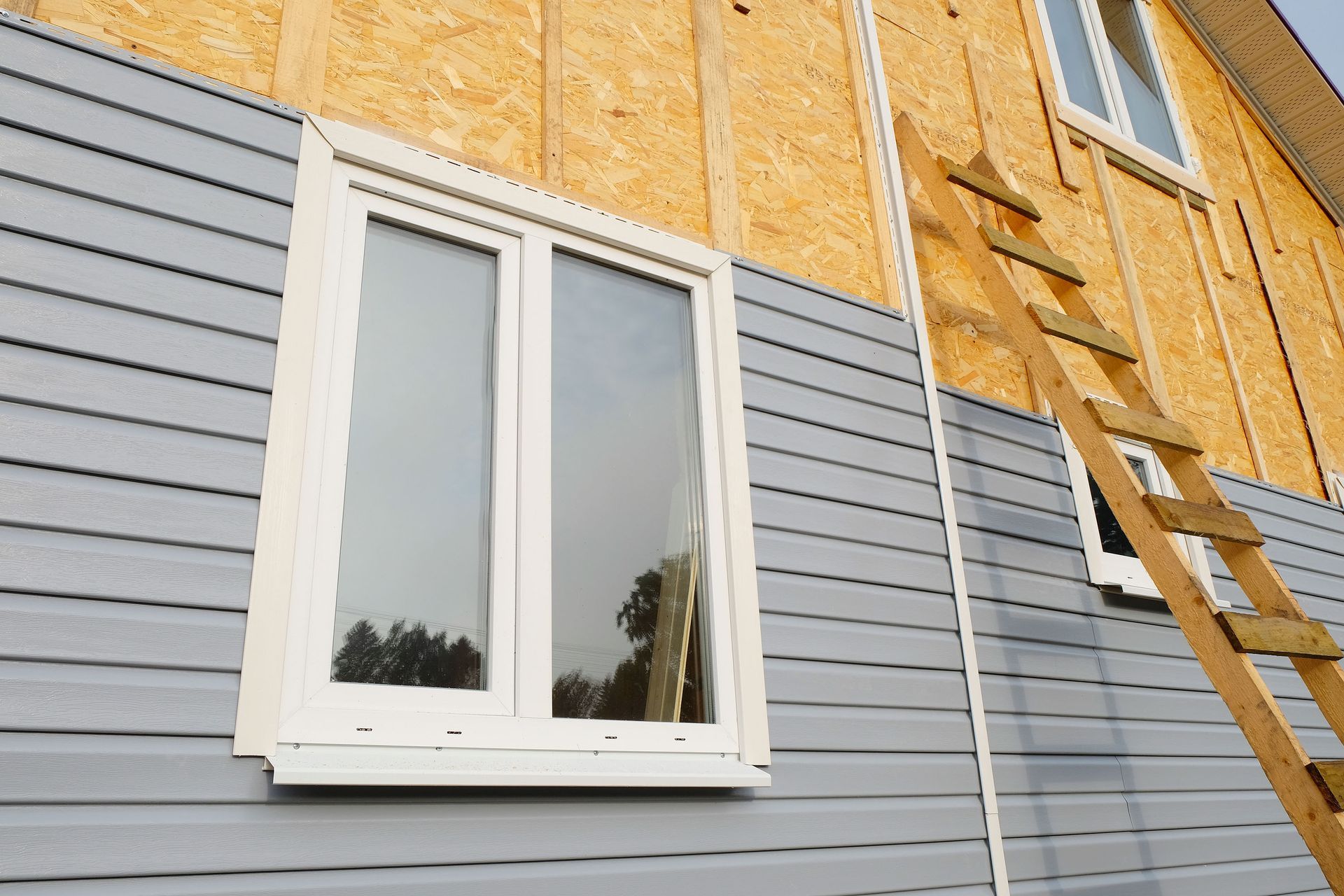
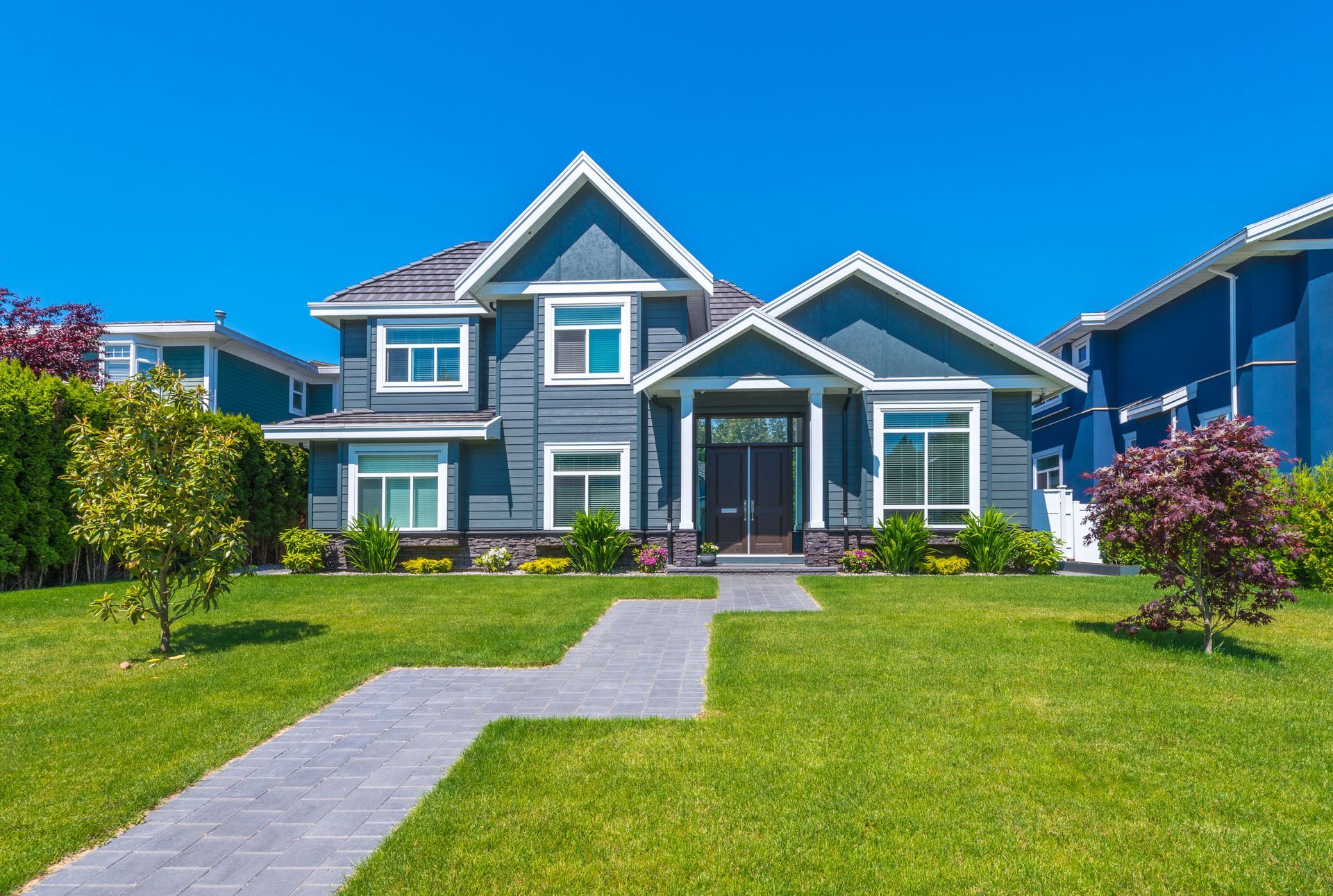
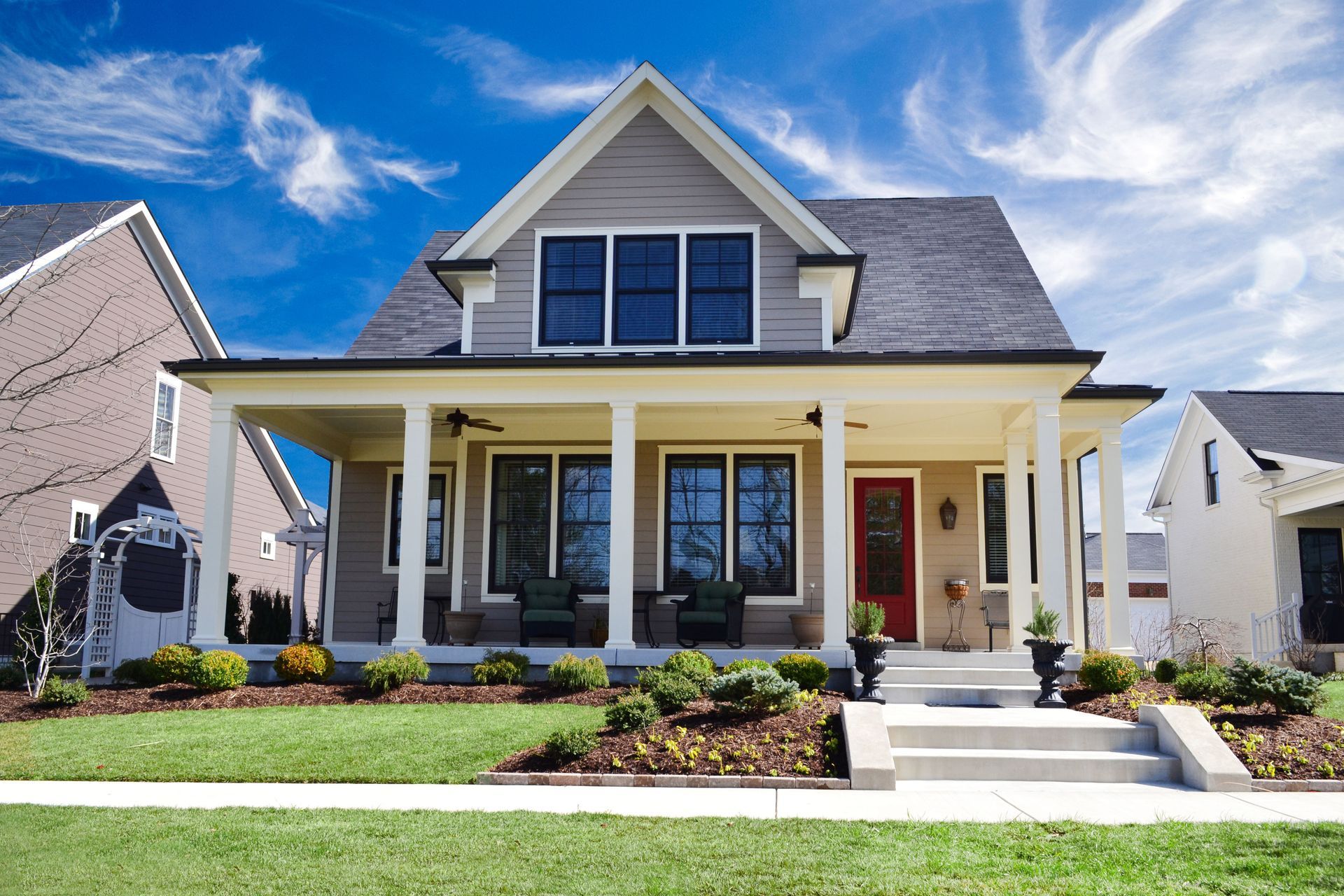
Begin your comprehensive evaluation outdoors while natural daylight is brightest and shadows do not obscure surface imperfections. Take your time walking the entire outer perimeter of the residence, paying meticulous attention to exterior cladding, whether that involves fiber-cement siding, hand-laid brick, stone veneer, stucco, or architectural metal panels. Check expansion gaps and critical joint junctions to ensure that exterior sealant and weatherproofing caulk have been applied neatly, continuously, and without gaps, bubbles, or early separation. Direct your gaze upward to inspect the gutters, fascia boards, soffit vents, and downspout elbows, confirming that all downspout extensions discharge stormwater at least five to ten feet away from the basement or crawlspace walls.
Soil grading around the perimeter is equally vital; ground cover must slope visibly downward away from foundation stem walls to prevent surface water ponding and minimize hydrostatic pressure against below-grade masonry. Walk the entire property boundary alongside your custom home builder to verify that final site grades, hardscape retaining systems, swales, and topsoil installations match the civil engineering drainage plans approved by local building officials. In addition, activate every exterior hose bibb to check for immediate water flow, inspect outdoor ground-fault circuit interrupter electrical boxes to confirm spring-loaded protective covers seal tightly against driving rain, and cycle exterior floodlights, soffit downlights, and landscape fixtures through their illumination cycles.
Test Every Mechanical and Plumbing Fixture
Once the outdoor inspection is complete, head inside to begin a rigorous, hands-on audit of the home’s domestic plumbing and HVAC infrastructure. Do not merely glance at decorative plumbing fixtures; step up to every single sink, garden tub, and shower stall across all bathrooms and turn valves to full blast simultaneously to evaluate peak dynamic water pressure and overall volume. Let the hot water lines run continuously for several minutes so you can assess the heating speed of your tankless units or storage heaters, verifying that hot-water return loops deliver immediate warmth to remote suites without sputtering or rattling. Bring a high-powered flashlight and kneel down to look beneath every sink vanity and kitchen island base cabinet, searching diligently for weeping supply joints, unglued PVC P-traps, loose valve packings, or standing moisture on finished wood shelving.
After verifying plumbing integrity, walk directly to your master thermostat interface. Trigger the primary heating system, stand near supply registers across multiple levels to verify warm airflow delivery, and listen carefully for excessive duct whistling or blower cabinet vibration. Shift the controls to cool mode to ensure your exterior condenser or heat pump compressors engage smoothly, checking that conditioned supply registers provide balanced cooling in every finished room. A knowledgeable custom home builder will guide you through this process, showing you how to operate central water shutoff valves, emergency zone dampers, water filtration bypass loops, and individual circuit breaker panels so you feel confident maintaining your property long-term.
Examine Interior Finishes and Millwork
Interior trim and painted surfaces reveal the skill and attention to detail of the finishing artisans who worked on your project. Stand at room entryways and scan drywall surfaces across walls and vaulted ceilings from low and high angles, looking carefully for drywall ripples, recessed nail pops, uneven joint compound, or flashing paint sheens that reveal inconsistent roller passes. Run your hands along baseboards, door architraves, window sills, and multi-piece crown moldings to confirm that mitered corner joints fit snugly together without wide gaps masked by excessive acrylic caulk.
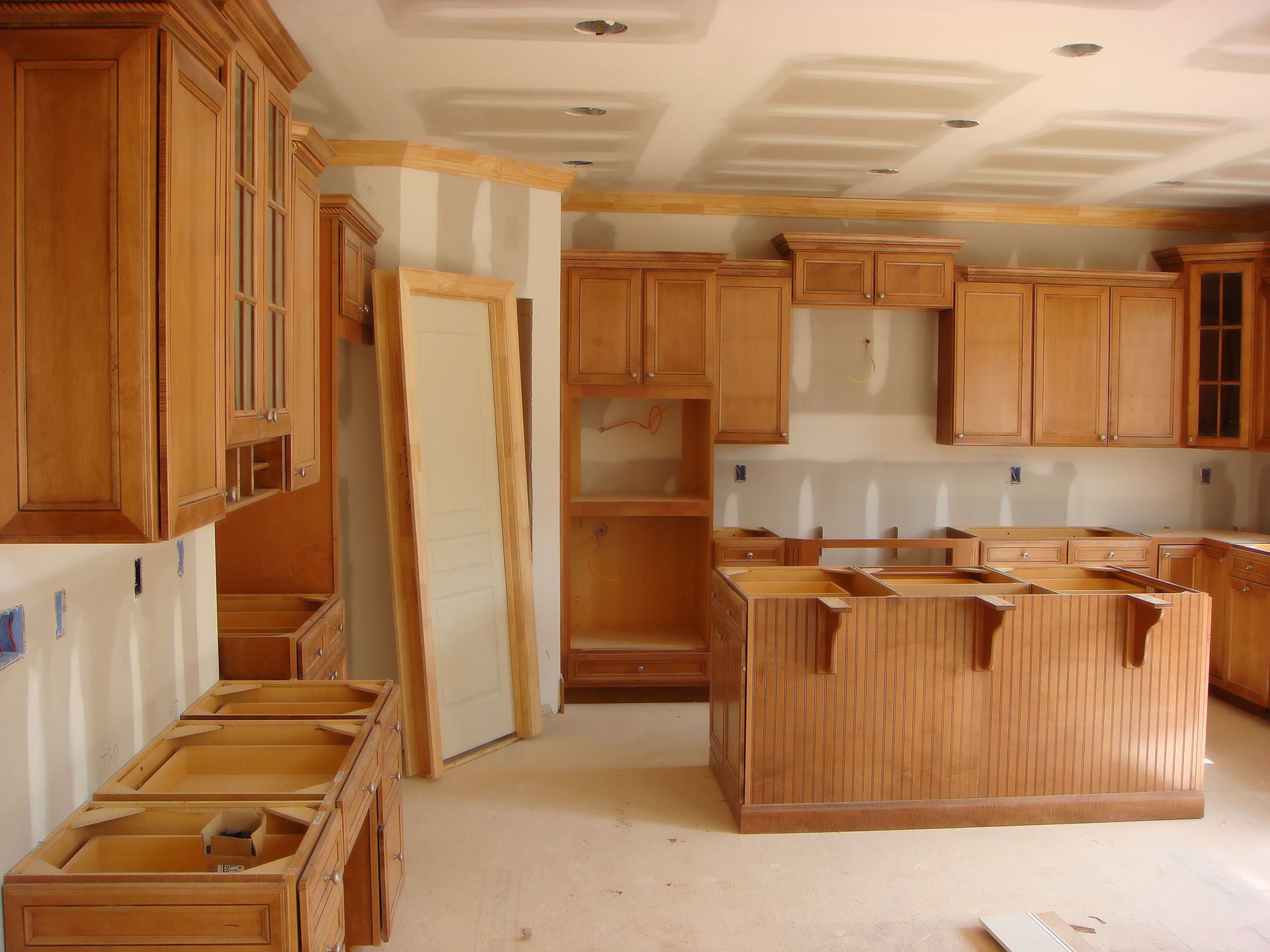
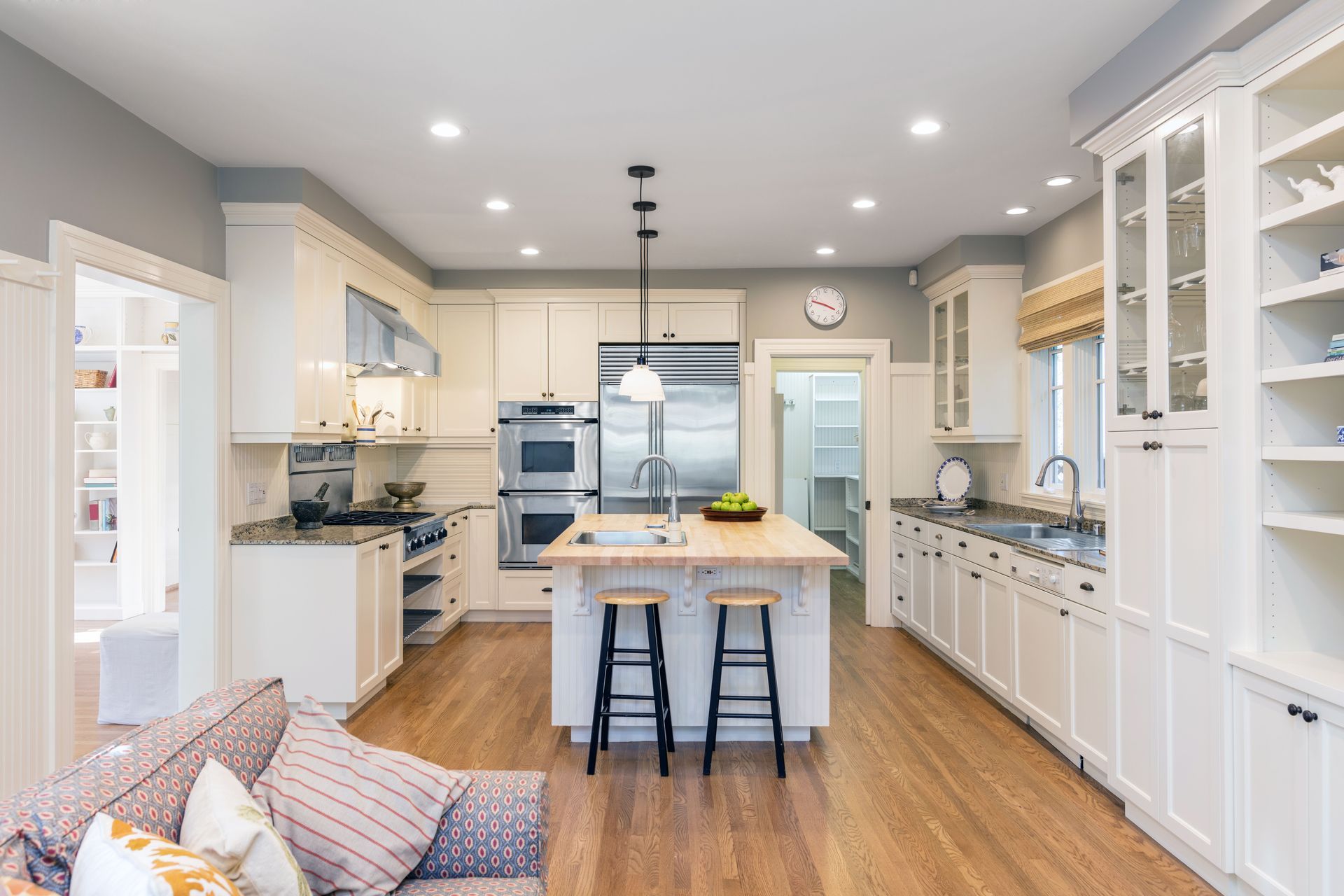
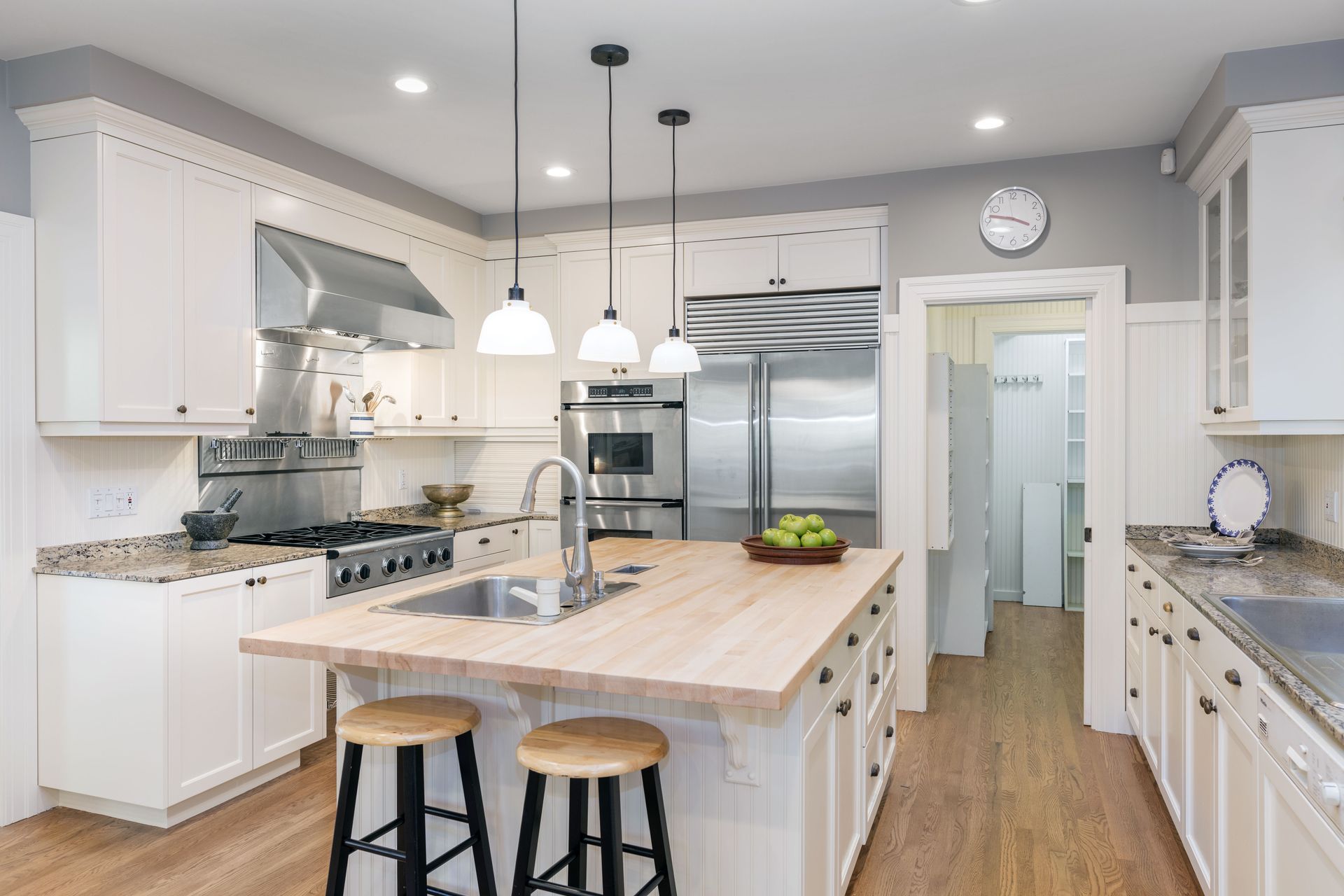
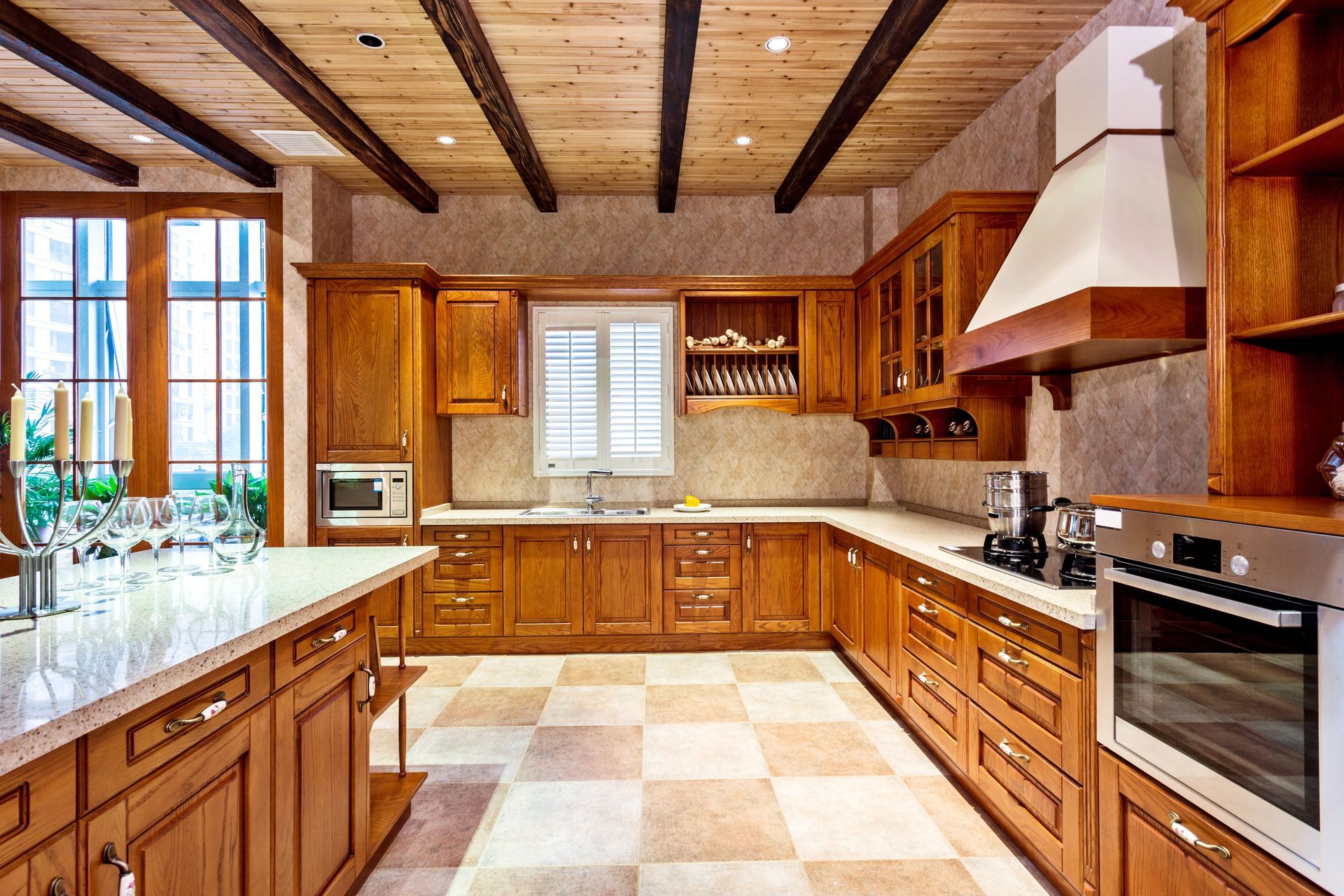
Inside kitchen spaces, walk-in pantries, and custom dressing rooms, systematically open and shut every cabinet door and pull-out drawer slide. Make sure hidden European-style hinges are aligned horizontally, drawer slides extend fully without catching on internal face frames, and soft-close damping pistons catch the hardware smoothly. Precision interior millwork showcases the elevated level of construction promised by your custom home builder, which makes a thorough, room-by-room inspection of interior woodwork completely indispensable. Always carry a roll of low-tack blue painter’s tape with you, placing neat pieces on any blemished wood trim, chipped tile grout, or drywall scuffs that require the painting crew to return for surface remediation.
Verify Window and Door Operation
Interior passage doors and high-performance window assemblies experience subtle shifts as new dimensional framing lumber adjusts to the interior climate-controlled environment. Walk to every single interior passage door, swing the slab open half-way, and let go to ensure it stays in place rather than creeping open or drifting shut because of out-of-plumb door jambs. Latch each door securely into its strike plate to confirm the latch tongue engages cleanly without requiring forceful shoulder pressure, and ensure there is no distracting door rattle when closed.
For exterior entry doors, check that magnetic or rubber weatherstripping creates an unbroken, airtight seal around the jamb perimeter and that deadbolts slide into their strike pockets smoothly with minimal key resistance. Moving to the windows, slide open or crank out every sash, inspecting locking levers, balance springs, and insect screens for tight, secure retention. Examine the double-pane or triple-pane insulated glass units carefully under clear natural light to confirm there are no glass scratches, cracked perimeter seals, or internal cloudiness caused by manufacturing defects. Collaborate directly with your custom home builder to adjust hinge plates, shim latches, or plane down sticking door slabs that show early signs of movement from ambient humidity adjustments.
Confirm Custom Selections and Contract Specs
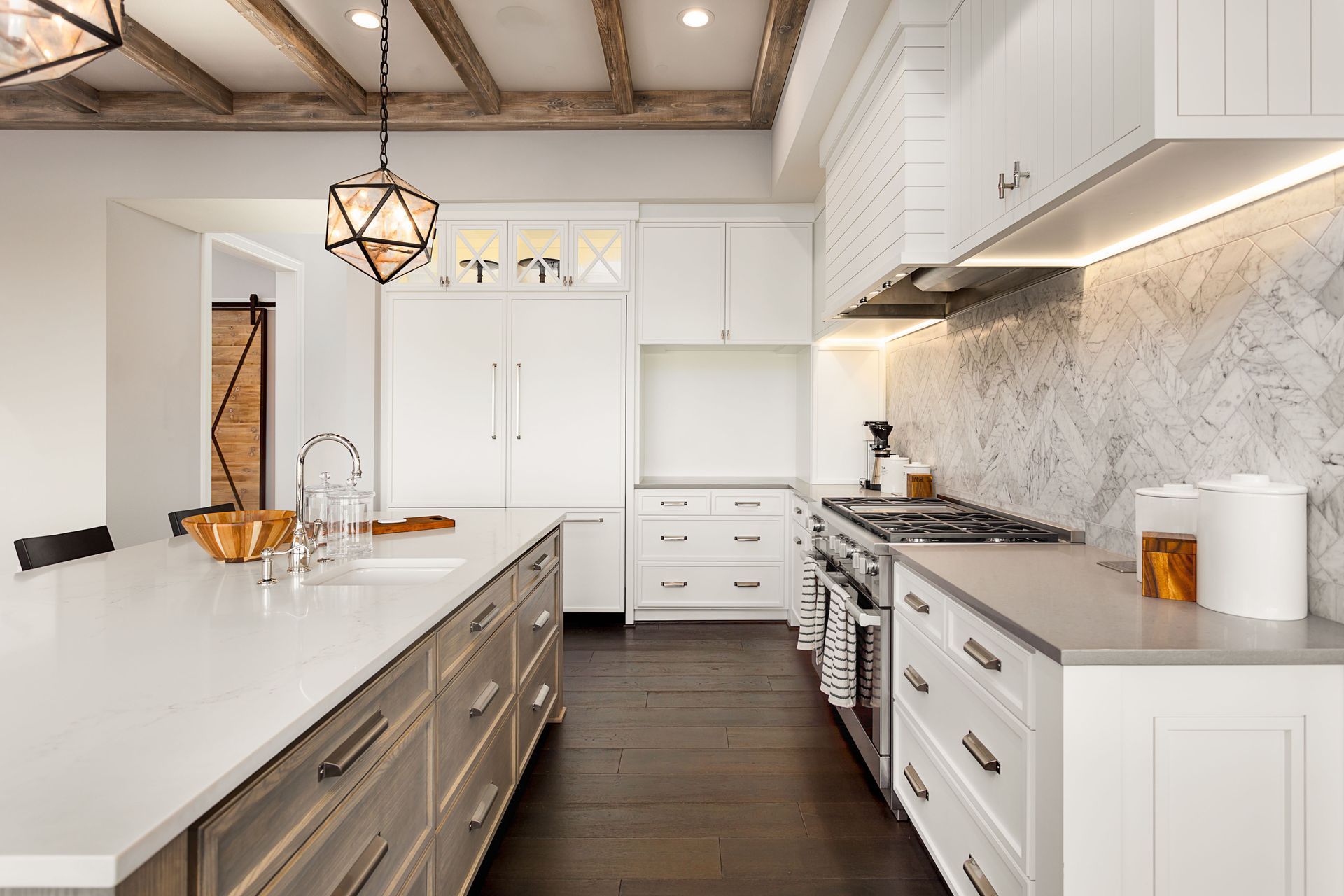
Because custom home construction involves hundreds of personalized design selections, verifying that the physical installations match your signed construction agreements is a fundamental task. Bring your binder containing signed change orders, architectural finish schedules, lighting manifests, and electrical blueprints to the walkthrough so you have an indisputable reference document on hand. Check that kitchen countertop slabs match the specific stone or quartz lot numbers you reserved at the stone yard, and verify that hand-laid backsplash tile, mosaic patterns, and grout color codes correspond precisely with your approved interior design packet.
Systematically test your low-voltage infrastructure, including centralized audiovisual conduits, smart doorbell camera integrations, and specialized high-amperage EV charging receptacles in the garage. Reviewing every architectural alteration against your original documentation confirms that your custom home builder executed each bespoke spatial layout, recessed niche, and personalized rough-in exactly as specified in your construction contract.
Investing in a bespoke home is one of the most rewarding milestones you will ever achieve, representing years of hard work, financial planning, and creative ambition. By taking the time to conduct an organized, comprehensive final walkthrough, you protect your substantial investment and ensure your home provides effortless comfort from day one. Choosing to build with an established, client-focused
custom home builder ensures you have an expert partner who takes pride in exceptional craftsmanship and stands firmly behind their product for years to come.
Ready to bring your unique architectural ideas to life with a builder who prioritizes quality at every step? Reach out to the design and construction experts at Wittstock Builders LLC today to explore our custom home building services and begin planning your project. Schedule your design consultation right away and take the first step toward building the home your family has always dreamed of owning.