How a General Contractor Helps Manage a Kitchen Remodel
A kitchen remodel is one of the most rewarding projects a homeowner can take on, but it is also one of the most complex. In a single room, you have plumbing, lighting, cabinetry, flooring, countertops, and finishes that all need to come together in the right order. When one piece falls behind, the rest of the project can stall, and suddenly the space you rely on every day is out of commission far longer than you planned. For many families, the kitchen is the heart of the home, which makes getting the remodel right all the more important.
That is where a general contractor makes a real difference. Rather than juggling multiple schedules, comparing trades, and hoping everything lines up, you have a single professional who oversees the entire process from the first sketch to the final coat of paint. In this post, we will walk through the key stages of a kitchen remodel and explain how experienced project management keeps each one on track.
Planning a Design That Fits Your Budget and Lifestyle
Every successful kitchen remodel begins long before the first cabinet comes off the wall. The planning stage is where your ideas start to take shape as a workable design, and it is also where many DIY projects go wrong. It is easy to fall in love with a layout you saw online without considering whether it suits your square footage, your cooking habits, or your budget.
A general contractor helps you translate your vision into a realistic plan. That means talking through how you cook, eat, and entertain, then shaping a layout that gives you enough storage and counter space without crowding the room. It also means setting a timeline and budget that account for materials, labor, and the unexpected surprises that can come with opening up walls and floors. Whether you are dreaming of a modern open-concept space or a cozy kitchen full of classic charm, thoughtful planning helps you prioritize the features that matter most.
Working with a professional at this stage saves money in the long run. Changes are far cheaper on paper than they are once construction is underway, so getting the design right early prevents costly revisions later.
Securing Permits Before Construction Begins
Many kitchen remodels, especially those that involve plumbing changes or new lighting, require permits from your local building department. Skipping this step can lead to fines, failed inspections, and trouble when it comes time to sell your home. Unfortunately, permit requirements can be confusing, and they vary from one municipality to the next.
An experienced general contractor knows what paperwork your project needs and assists with the permit process so work can begin without delays. Having a professional handle this detail also gives you peace of mind that the finished kitchen meets code and is safe for your family to use every day.
Managing the Tear-Out From Start to Finish
Sometimes the best way to get the kitchen you want is to start fresh. A complete tear-out clears away old cabinets, worn flooring, outdated countertops, and aging fixtures so the new design has a clean foundation. While demolition may look simple, it requires careful planning to protect the rest of your home and to avoid damaging plumbing lines or structural elements hidden behind the walls.
During this phase, your general contractor supervises the work, manages debris removal, and inspects the space for issues that need attention before installation begins. Catching problems such as water damage or uneven subfloors at this stage prevents them from undermining the new kitchen down the road.
Coordinating Plumbing and Lighting Upgrades
Plumbing and lighting are the systems that make a kitchen truly functional. A new sink location, an added prep sink in the island, or upgraded fixtures all depend on reliable plumbing replacement and installation. Likewise, good lighting is essential for safe food prep and for creating a warm, inviting atmosphere when family and friends gather.
These upgrades need to happen at precisely the right point in the schedule, typically after tear-out and before cabinets and finishes go in. A general contractor coordinates this timing so that no work has to be undone and redone. Because mistakes with water lines or wiring can be dangerous and expensive, this is one area where relying on qualified professionals is especially important.
Installing Cabinets, Countertops, and Center Islands
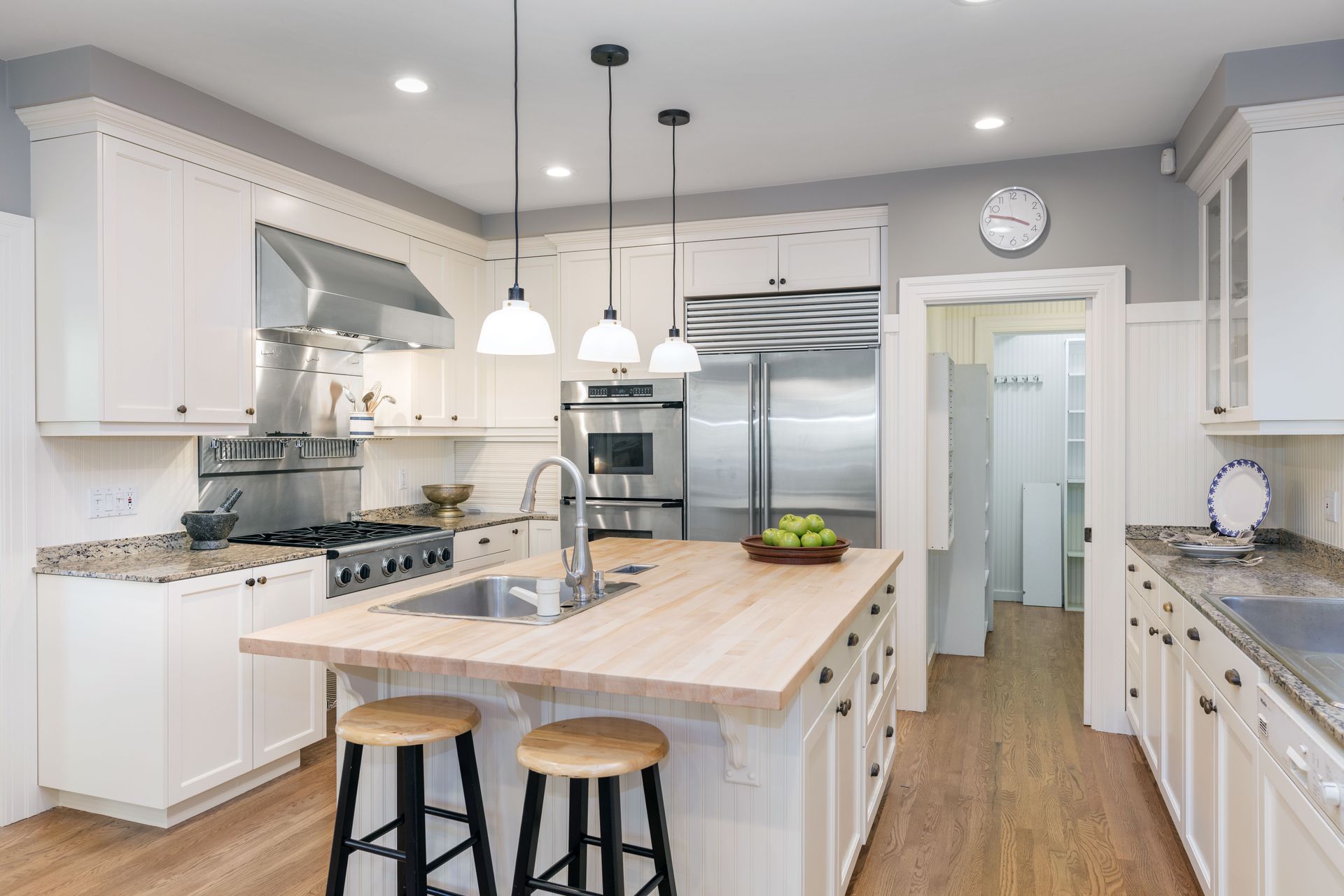
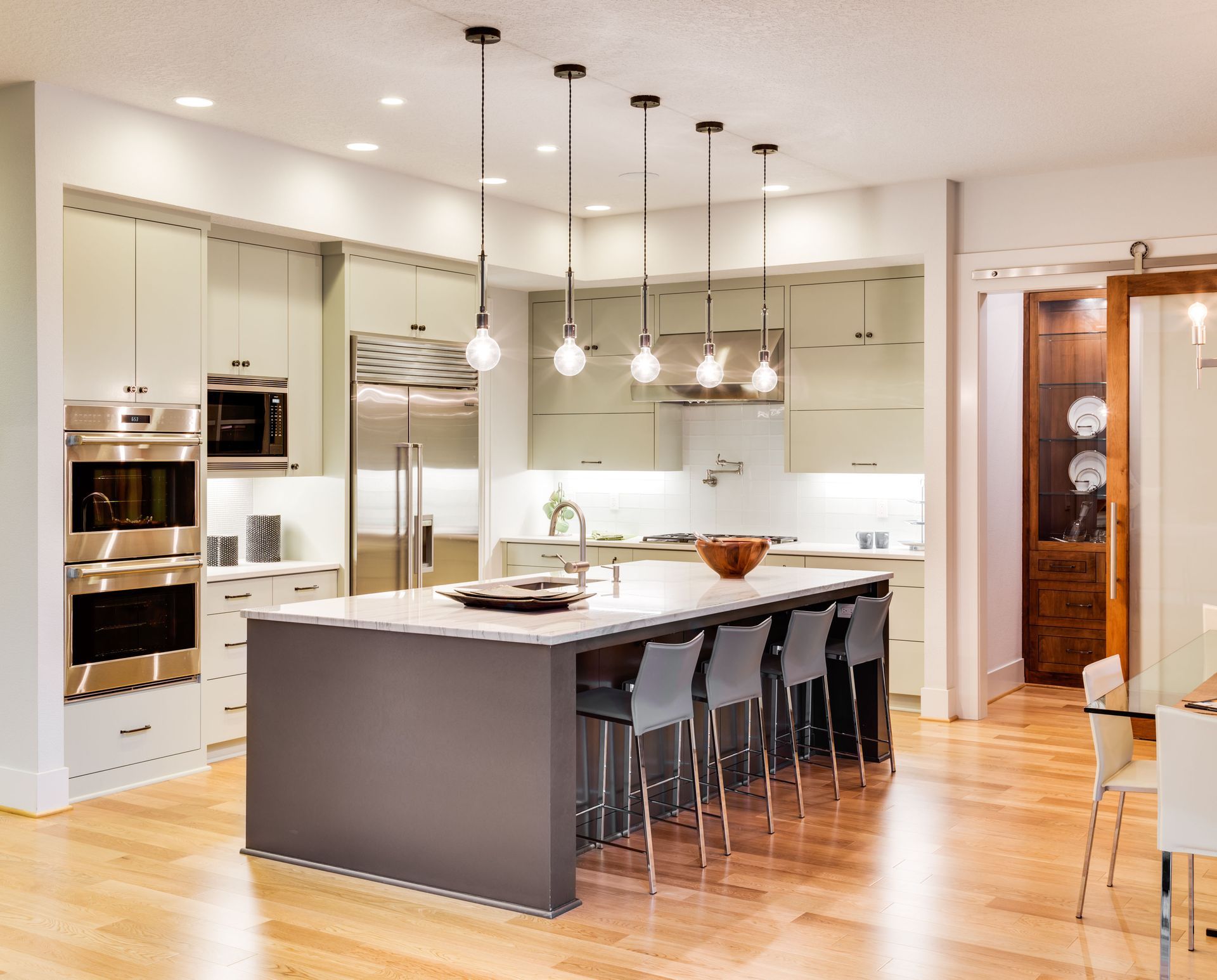
Cabinets, countertops, and islands define both the look and the workflow of your kitchen. Whether you choose custom cabinetry or stock designs, each unit must be installed level, square, and securely anchored. Even a small misalignment can throw off countertop seams, create visible gaps, and cause drawers and doors to stick over time. This is precise work that rewards experience.
Countertop and center island installation adds another layer of precision. Islands in particular often serve as prep space, dining area, and storage all at once, so their placement affects how easily you can move through the room. A general contractor makes sure these elements fit perfectly, line up with the plumbing and lighting already in place, and support the way your household actually uses the kitchen.
Laying Durable Flooring for High-Traffic Spaces
Kitchen floors take a beating. Spills, dropped pans, heat, and constant foot traffic all test the durability of the materials underfoot. At the same time, flooring has a huge influence on the overall feel of the room, so it needs to be both stylish and tough enough to handle everyday life.
Quality flooring installation starts with proper preparation of the subfloor and careful attention to transitions between rooms. When flooring is installed by professionals, you can expect a smooth, even surface that resists wear and complements the rest of your design. Your contractor will also schedule this step thoughtfully so that new floors are protected from damage while other trades finish their work.
Finishing the Space With Paint and Trim Details
The final details are what make a remodeled kitchen feel complete. Fresh paint brightens the room and ties together your cabinets, countertops, and flooring, while trim work frames windows, doorways, and cabinetry for a polished, cohesive look.
These finishing touches may seem minor, but they are often what visitors notice first. Clean lines, crisp edges, and even coverage require skill and patience. A general contractor ensures the painting and trim work are completed with the same care as the rest of the project, so no corner is overlooked.
Protecting the Value of Your Investment
A kitchen remodel is not just about enjoying a better space today. It is also an investment in your home's future. According to Today's Homeowner, homeowners in the U.S. can expect to recoup roughly 80% of what they spend on minor kitchen remodels. That kind of return makes a well-executed kitchen upgrade one of the smartest improvements you can make.
However, that return depends on quality. Shoddy workmanship, code violations, or unfinished details can drag down your home's value instead of boosting it. Hiring a licensed and insured general contractor with experienced project management and job supervision helps protect your investment
A kitchen remodel involves dozens of decisions and multiple trades, all working within a single room that your household depends on. Every stage has to happen in the right order and to the right standard. Trusting the process to a skilled general contractor brings structure, accountability, and peace of mind to what could otherwise be a stressful experience.
If you are ready to create a kitchen that works as beautifully as it looks, we would love to help. At Wittstock Builders LLC, we offer free consultations and proposal requests, and our team handles everything from planning and permits to the final trim. Reach out to us today to start the conversation about your dream kitchen.