The Death of the All White Kitchen and the Warm Textures Replacing It
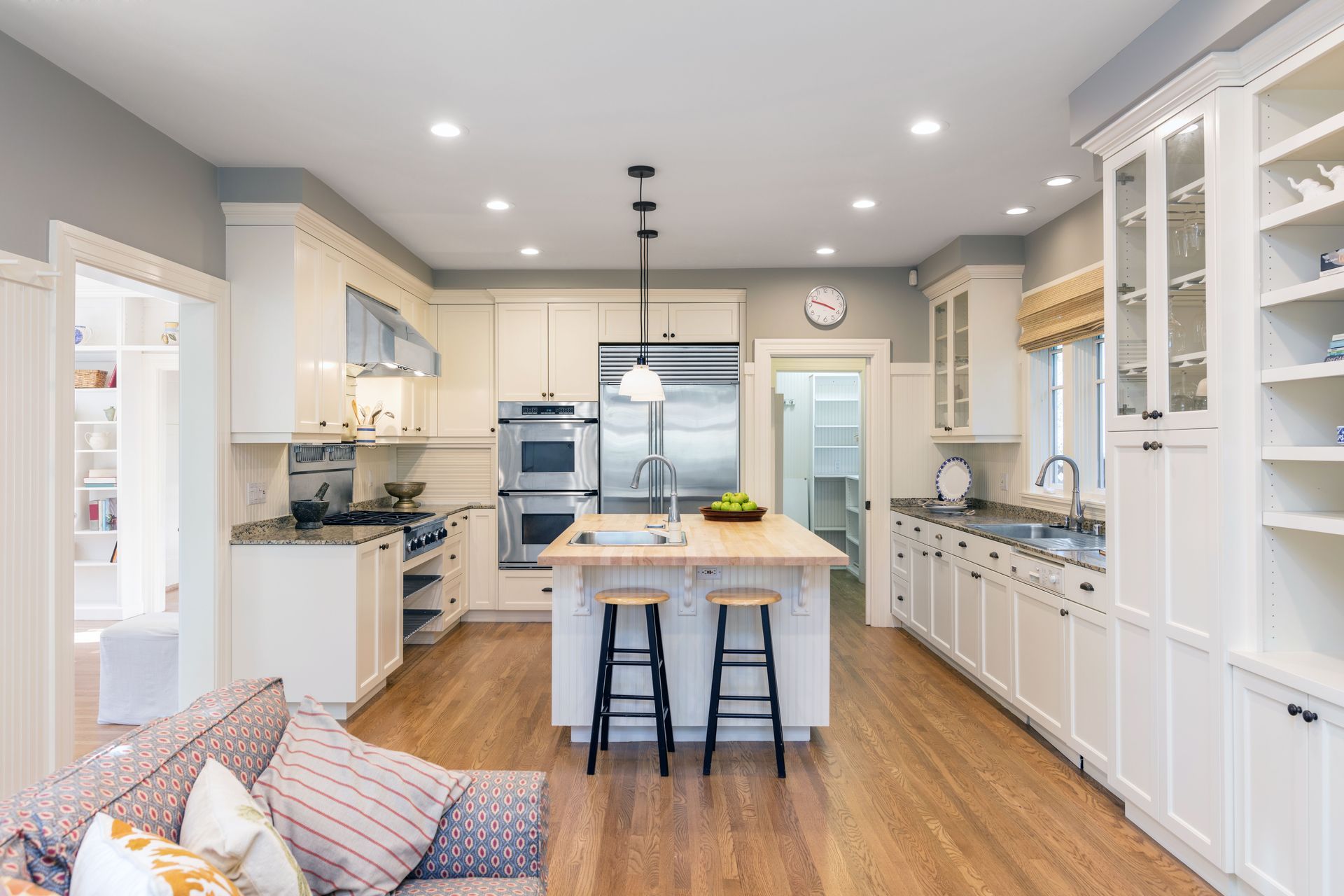
The all-white kitchen has dominated home design for years, offering a bright, clean appearance that can make a space feel open and polished. While white kitchens are not disappearing completely, homeowners are increasingly looking for ways to make these spaces feel warmer, more inviting, and more connected to the rest of the home.
The shift is less about abandoning white altogether and more about moving away from kitchens where every surface has the same stark appearance. Warm colors, natural materials, visible texture, and carefully selected contrasts are creating spaces with greater depth and personality.
According to This Old House, 51% of homeowners planned to remodel their kitchens in 2025, highlighting the continued interest in updating this central part of the home. As renovation preferences evolve, warmer design choices are becoming an increasingly appealing alternative to the all-white aesthetic.
Embrace Warmer Kitchen Colors
Cool, bright whites are increasingly being complemented by shades that create a softer atmosphere. Cream, beige, taupe, warm gray, muted green, and earthy tones can provide visual warmth while still maintaining the openness many homeowners appreciate about lighter kitchens.
These colors can be introduced in several ways. Cabinetry can become a focal point, while walls, backsplashes, islands, or smaller accents can bring additional warmth without requiring every surface to change.
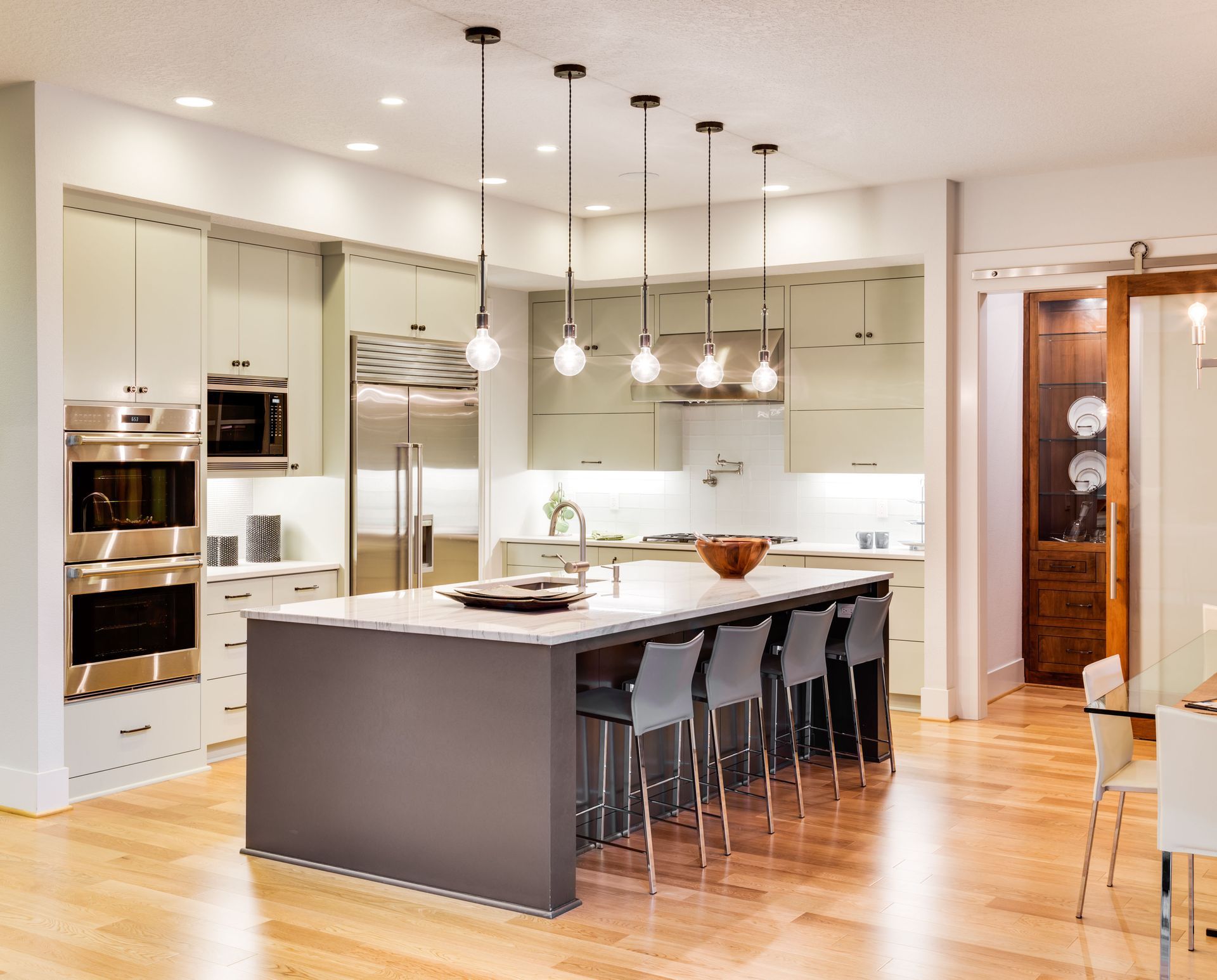
Color also provides an opportunity to create contrast. A kitchen with warm cabinetry and lighter countertops can feel balanced rather than overwhelmingly dark, particularly when natural light is available.
For homeowners considering kitchen remodeling services, establishing a color direction early can make the rest of the design process easier. Cabinetry, countertops, flooring, hardware, and lighting can then be selected with the overall palette in mind.
The result does not have to be dramatically colorful. Even subtle changes from pure white toward warmer neutrals can make a noticeable difference in how comfortable and inviting a kitchen feels.
Add Natural Wood Elements
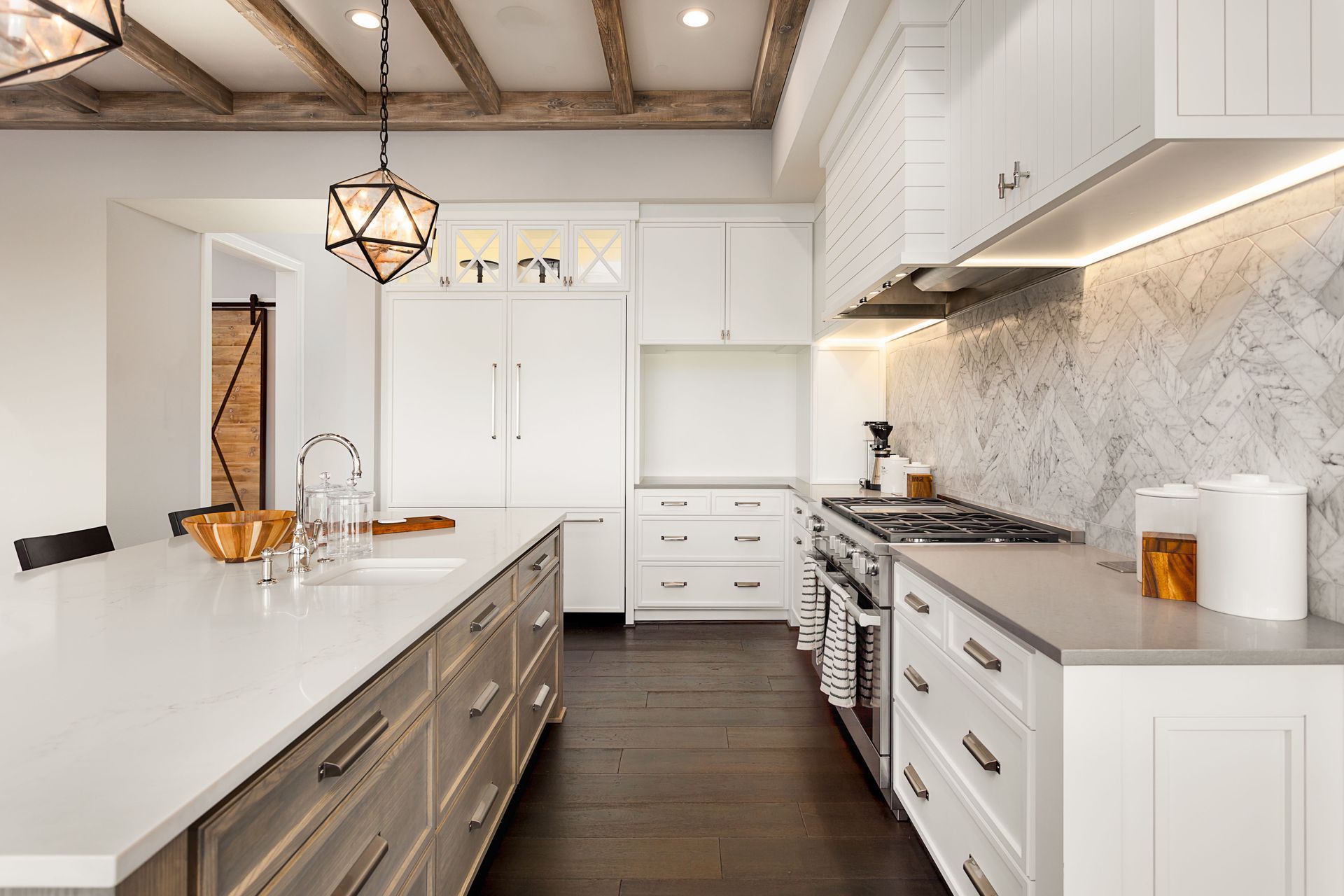
Natural wood is becoming a popular way to introduce warmth into contemporary kitchens. Unlike painted surfaces, wood brings visible grain and natural variation, creating a sense of depth that can make a space feel less uniform.
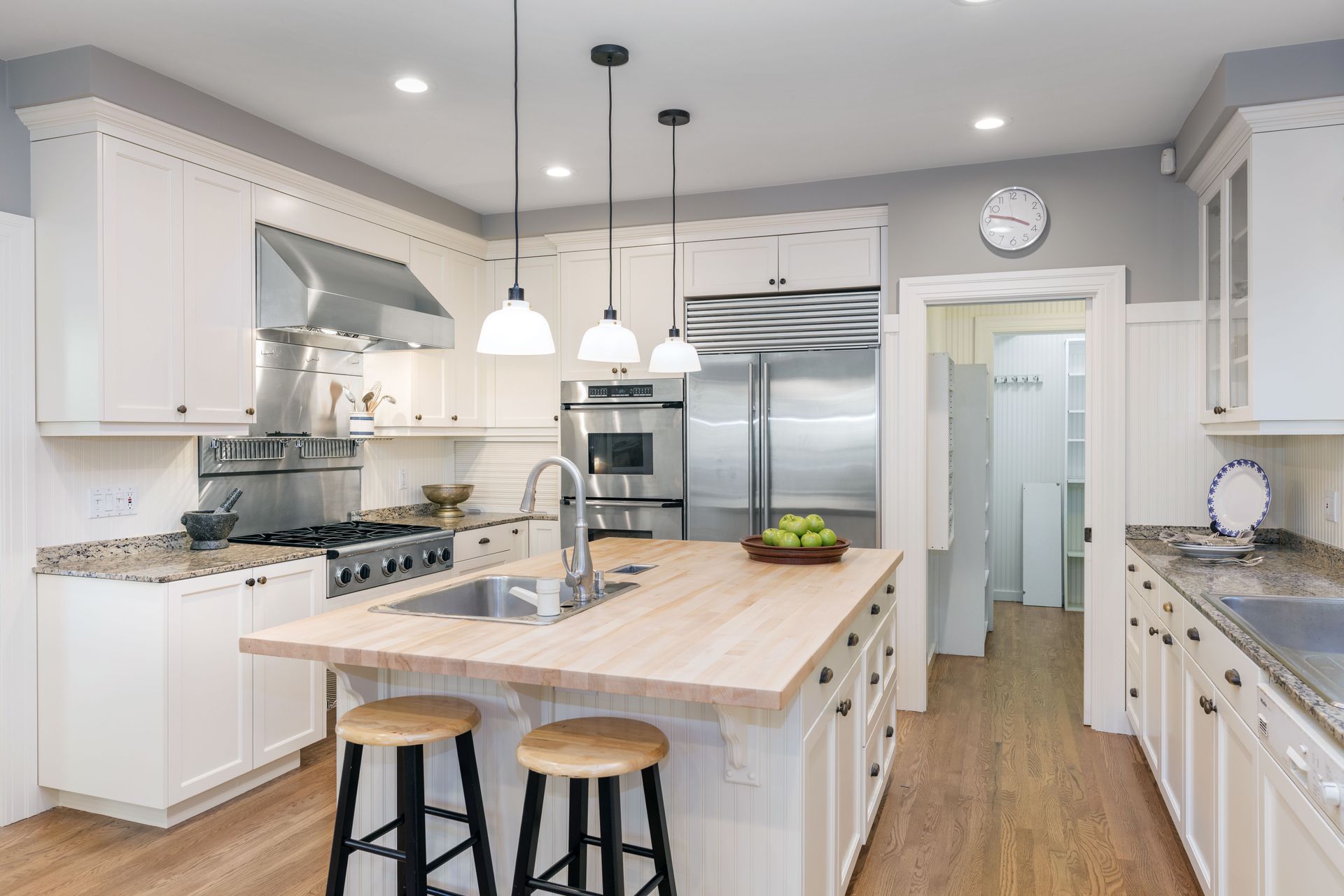
Wood can be incorporated through cabinetry, islands, shelving, ceiling details, seating, or furniture. Lighter woods can preserve an airy appearance, while richer tones can provide stronger contrast against lighter walls or countertops.
Another advantage of wood is its ability to work with different design directions. It can complement modern finishes while also fitting comfortably within traditional, transitional, rustic, or organic-inspired spaces.
Homeowners do not need to cover the kitchen in wood to benefit from the material. A carefully selected island or section of cabinetry can provide enough contrast to change the character of the entire room.
When planning kitchen remodeling services, homeowners can consider where natural wood would have the greatest visual impact. Using it strategically can create warmth without overwhelming the other materials throughout the space.
Layer Textures Throughout
Texture is playing an increasingly important role in kitchen design because it adds visual interest without requiring dramatic colors. Smooth surfaces can be paired with materials that have visible grain, subtle variation, or a more tactile appearance.
This layered approach can help prevent a kitchen from looking flat. Instead of relying on a single finish across the room, homeowners can combine complementary materials to create subtle differences that draw the eye.
Consider incorporating elements such as:
- Natural stone with visible variation
- Wood with noticeable grain patterns
- Textured ceramic or handmade-style surfaces
- Matte finishes that reduce excessive shine
- Woven or natural-fiber decorative accents
The goal is balance rather than maximum contrast. Too many competing textures can make a space feel visually chaotic, while carefully selected materials can provide dimension without sacrificing cohesion.
Choose More Organic Materials
The movement toward warmer kitchens is closely connected to growing interest in organic-looking materials. Stone, wood, ceramic, and other naturally inspired finishes can introduce variation that gives the room a more distinctive appearance.
Natural stone, in particular, can bring movement to countertops and backsplashes. Rather than presenting a perfectly uniform surface, stone can contain subtle shifts in color and pattern that contribute to a layered design.
Ceramic materials can provide similar opportunities. Different shapes, finishes, and surface characteristics can create a backsplash with personality while complementing simpler cabinetry and countertops.
These materials can also provide a flexible foundation for future decorating changes. A kitchen built around natural finishes can accommodate different accents and colors without requiring a complete redesign.
During kitchen remodeling services, homeowners can evaluate materials according to both appearance and practicality. Maintenance requirements, durability, cleaning needs, and compatibility with other finishes can all influence which options make sense for the space.
Choosing organic materials does not mean every element needs to look rustic. Modern kitchens can incorporate natural stone and wood while maintaining clean lines and a contemporary overall appearance.
Create More Personalized Spaces
The move away from all-white kitchens also reflects a broader interest in personalization. Instead of reproducing a single popular aesthetic, homeowners are creating spaces that reflect their individual preferences and the way they use their kitchens.
Personal details can appear through cabinetry colors, distinctive hardware, lighting, seating, artwork, shelving, or decorative features. These elements can make a kitchen feel more connected to the people who live in the home.
Personalization does not necessarily require bold choices. A subtle cabinet color, an unusual light fixture, or a natural wood island can provide enough distinction to make the room feel intentional.
Function should remain part of the design conversation. A beautiful kitchen still needs to support cooking, storage, entertaining, cleaning, and everyday movement through the space.
Homeowners exploring kitchen remodeling services can start by considering how they want the finished kitchen to feel. Words such as comfortable, natural, sophisticated, relaxed, or inviting can help establish a direction for materials and finishes.
This approach can also prevent a renovation from becoming overly dependent on a single trend. Instead of choosing materials simply because they are currently popular, homeowners can focus on elements that genuinely suit their home and preferences.
Balance Trends With Timeless Design
Warm textures and natural materials may be gaining attention, but incorporating them thoughtfully can help a kitchen remain appealing long after a particular design trend fades. The strongest spaces often combine contemporary details with classic materials and practical choices.
A neutral foundation can provide flexibility, while warmer cabinetry, wood accents, textured surfaces, and natural stone introduce character. Smaller decorative elements can then be changed later without requiring another major renovation.
It is also important to consider how the kitchen relates to surrounding rooms. Colors and materials that complement nearby spaces can create a more cohesive transition, especially when the kitchen is visible from dining or living areas.
Lighting deserves consideration as well. Warm materials can look different depending on the type and placement of lighting used throughout the room. Thoughtful illumination can emphasize texture, highlight architectural details, and support the atmosphere created by the finishes.
Kitchen remodeling services can help homeowners bring these different considerations together. A coordinated approach can address the layout, materials, colors, lighting, and functional requirements instead of treating each decision as a separate project.
The goal is not to replace one rigid design formula with another. Rather, today's warmer kitchen movement gives homeowners more freedom to combine materials, colors, and textures in ways that feel personal.
The all-white kitchen is not disappearing completely, but its once-dominant position is making room for spaces that feel warmer, richer, and more individualized. Natural wood, earthy colors, organic materials, and layered textures can create a kitchen that feels inviting without sacrificing a clean, modern appearance.
For homeowners ready to move beyond an overly uniform kitchen, the renovation process offers an opportunity to create something more reflective of the home and the people who use it. Contact Wittstock Builders LLC and start creating a warmer kitchen that feels right at home.